 ComingUp

Gallery
About
We’ve been working on a tool called CodeLedger to solve a problem we kept seeing with AI coding agents (Claude Code, Cursor, Codex):They’re powerful, but on real codebases they: - read too much irrelevant code - edit outside the intended scope - get stuck in loops (fix → test → fail) - drift away from the task - introduce architectural issues that linters don’t catchThe root issue isn’t the model — it’s: - poor context selection - lack of execution guardrails - no visibility at team/org level---What CodeLedger does:It sits between the developer and the agent and:1) Gives the agent the right files first 2) Keeps the agent inside the task scope 3) Validates output against architecture + constraintsIt works deterministically (no embeddings, no cloud, fully local).---Example:Instead of an agent scanning 100–500 files, CodeLedger narrows it down to ~10–25 relevant files before the first edit :contentReference[oaicite:0]{index=0}---What we’re seeing so far:- ~40% faster task completion - ~50% fewer iterations - significant reduction in token usage---Works with: Claude Code, Cursor, Codex, Gemini CLI---Repo + setup: https://github.com/codeledgerECF/codeledgerQuick start:npm install -g @codeledger/cli cd your-project codeledger init codeledger activate --task "Fix null handling in user service"---Would love feedback from folks using AI coding tools on larger codebases.Especially curious: - where agents break down for you today - whether context selection or guardrails are the bigger issue - what other issues are you seeing.
Comments (0)
No comments yet. Be the first to comment!
Related Products
Free Currency Converter API

Limestone Digital
AI-Powered Software Development, Engineering Team Augmentation,
ChangeSpec
Free Mermaid Live Editor & Diagram Maker
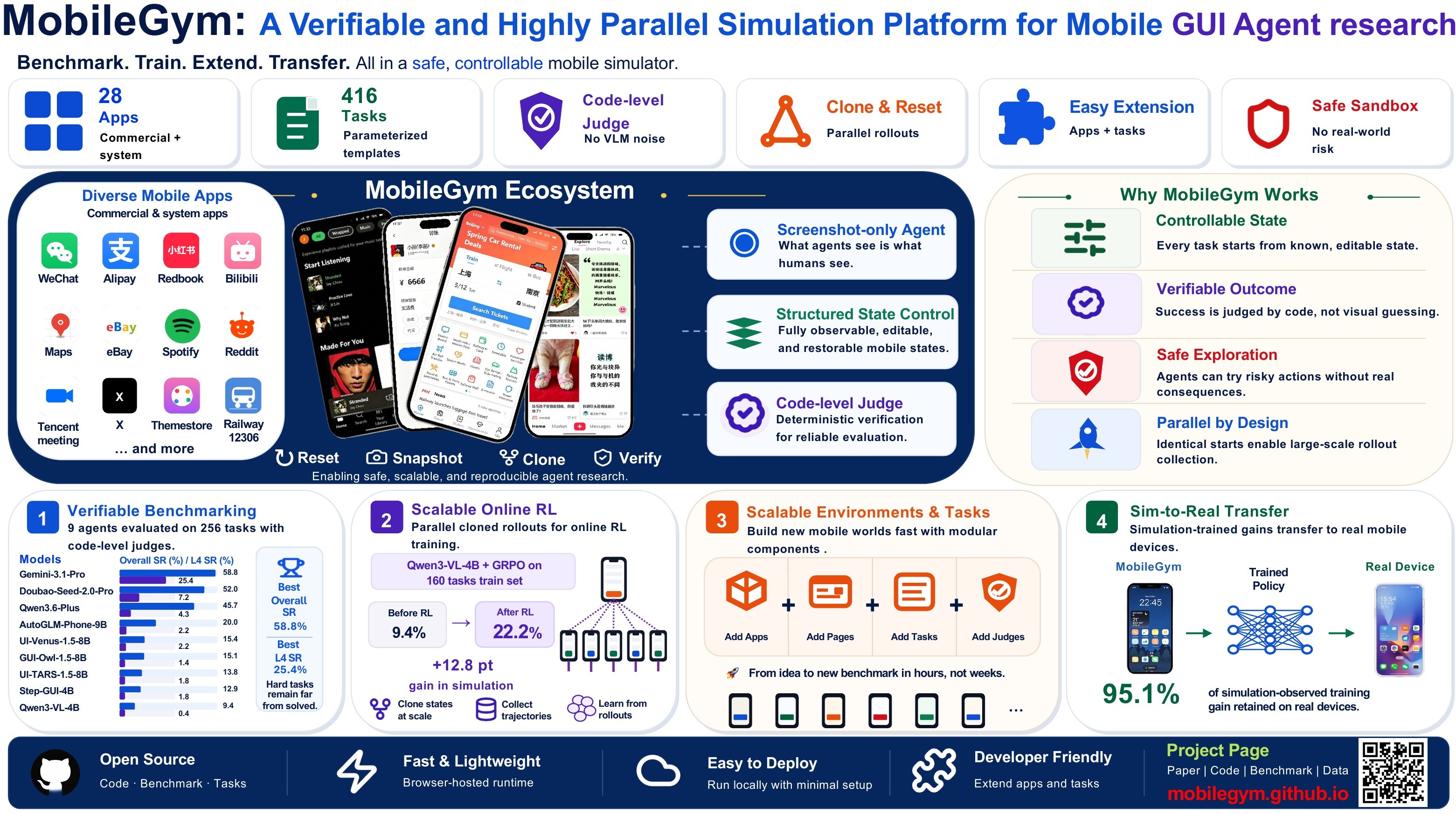
MobileGym: A Verifiable and Highly Parallel Simulation Platform for Mobile GUI A

Universal Data Workbench
A thorough tool for cleaning, validating, and converting JSON, CSV, and more.