 ComingUp

About
WebOps is a complete website operations, monitoring, workflow, and portfolio-management platform built for organizations responsible for managing large numbers of client websites.Originally developed to solve real internal website-operations challenges, WebOps has evolved well beyond a basic uptime monitor. It brings website QA, issue detection, WordPress maintenance intelligence, domain health, content review, operational work management, reporting, AI-assisted troubleshooting, security controls, audit history, documentation, and administrative governance together in one application.Rather than requiring staff to jump between monitoring tools, spreadsheets, ticketing systems, WordPress dashboards, hosting accounts, email threads, and internal documentation, WebOps is designed to provide one operational control center for the website portfolio.Core Platform CapabilitiesWebsite Monitoring & Automated QAAutomated website QA scanning across monitored websitesAvailability and HTTP-status monitoringDetection of broken pages and internal linksBroken and missing image detectionNavigation and site-structure checksSuspicious or inappropriate content indicatorsScan evidence and historical resultsIndividual, batch, scheduled, and failed-only retry workflowsScan Queue with job status, failures, timing, and operational historyAlert & Issue ManagementCentral Alert Inbox for actionable website findingsSeverity-based prioritizationFirst-detected, age, last-seen, and recurrence trackingNew, recurring, watching, resolved, ignored, aging, stale, and overdue workflowsDetailed issue evidence and scan contextResolve, Ignore/Suppress, Watch/Monitor, and recheck workflowsPersistent site-specific issue suppression for understood exceptions or false positivesResolution notes and historical activityAction Center & Work ManagementCentral operational work queueAssignment and ownership trackingDue dates and prioritiesWork status managementWebsite-linked operational tasksCross-site issue and workflow visibilitySupport for individual and administrative bulk-work management“My Work” workflows for employee-specific responsibilitiesWordPress Maintenance IntelligenceWebOps intentionally separates monitoring from potentially destructive maintenance actions.Capabilities include:Read-only WordPress core update checksPlugin update visibilityTheme update visibilityWordPress installation discovery across authorized hosting environmentsConnection and server-path mappingDiscovery of unmapped, staging, temporary, or newly created WordPress installationsMaintenance history and issue reportingWebOps does not automatically install WordPress updates, preserving a deliberate operational and security boundary.Domain HealthDNS health and resolution checksSSL/TLS certificate validationSSL expiration monitoringDomain registration and RDAP information where publicly availableRegistrar and registration-health visibilityIndependent Domain Health checksDomain-health evidence integrated with broader website operationsContent Health & Website ReadinessContent completeness analysisFreshness scoringLaunch-readiness scoringStructured review of website contentManual overrides with preserved historical scanner evidenceCompleteness Scan HistoryHistorical score comparison and trend trackingSupport for onboarding, redesigns, portfolio cleanup, and pre-launch reviewWebsite Template IntelligenceWebsite-template family libraryAutomated homepage/template classificationConfidence scoring and candidate comparisonNeeds Visual Review workflowNew Template Candidate detectionCustom / No Known Template classificationRepresentative template examples and recognition markersManual classification and reclassification workflowsPortfolio-level template analysisAI-Assisted OperationsWebOps includes an integrated advisory assistant designed to help employees understand and investigate technical findings.Ember Assist can:Explain an alert in plain languageAssess seriousness and operational impactSuggest first troubleshooting stepsWalk staff through investigationSummarize technical evidenceHelp evaluate potential false positivesDraft client-facing explanationsSave useful resolution notes when the employee’s role allows itAI operates within a controlled boundary using sanitized diagnostic context. Saved passwords, API keys, private SSH keys, SMTP credentials, and other protected secrets are excluded from AI context.Client & Communication WorkflowsClient records and website relationshipsPrimary and technical contact trackingApproved notification recipientsInternal-only versus client-facing communication separationNotification modes including Internal Only, Review Before Sending, and Automatic SendingIssue-specific notification rulesNotification historyClient communication historyScheduled report workflowsEmail integrationCommunication templates with controlled administrationReporting, Analytics & Business IntelligenceWebsite and scan historyOperational reportsPDF report generationSpreadsheet import/export capabilitiesFleet-level trend analysisContent Health analyticsTemplate IntelligenceCosts & Usage reportingBusiness Value & ROI reportingOperational savings calculationsStaff-capacity-returned metricsBuild-investment trackingProgram valuation methodologySaved and scheduled reportingUser Management, Roles & SecurityWebOps includes a formal role-based authorization model with four operational roles:AdministratorWebsite ManagerReviewer / ApproverRead OnlySecurity and governance features include:Google Workspace authenticationActive internal-user validationServer-authoritative permissionsHMAC-signed application sessionsCSRF protectionContent Security Policy and browser security headersRequest throttling for sensitive operationsCredential maskingRestricted secret and credential managementAudit attributionTechnical logging with secret-field redactionAdministrator-only high-risk operationsProtected backup restoreExplicit separation between UI visibility and actual server authorizationHosting & Infrastructure OperationsSSH hosting-connection managementKey-based remote diagnosticsConnection testing and failure classificationHosting-provider and server-path mappingWordPress discoveryMasked credential handlingSeparation between ordinary operational metadata and private credentialsBackup, Restore & Data ProtectionPortable logical backup architectureTransactional restoreSQLite integrity validationBackup coverage for operationally significant records and settingsRole-controlled backup and restoreRetention controlsRecovery-oriented operational proceduresBackup/restore testing and disaster-recovery documentationThe backup and recovery model has been exercised in a controlled test environment, including restoration of application state and failure/rollback behavior rather than being documented only as a theoretical capability.Extensive Built-In User GuidanceWebOps includes its own internal knowledge and training system so users do not have to rely entirely on external documentation.The application contains:Definitions & GuidesReference documentation for:statusesseveritiesrolespermissionsworkflowsoperational terminologyfields and optionsnotification behaviorwebsite lifecycle statesDomain Health conceptsContent Health terminologyalert statestemplate classificationsadministrative conceptsTutorials / How-To GuidesStep-by-step operational instructions covering application workflows such as:running website scansinvestigating alertsresolving and ignoring issuesusing Ember Assistperforming WordPress checksreviewing Domain Healthworking with Content Healthmanaging websites and onboardingreviewing reportsusing administrative functionsDefinitions and procedural tutorials are intentionally separated so users can quickly find either reference information or step-by-step instructions.Role Permissions ReferenceThe application includes a visible staff-facing Role Permissions matrix explaining what each user role can and cannot do. This is maintained alongside the server-enforced authorization model.Version HistoryWebOps maintains structured in-application release history documenting:new featuresbehavior changesbackup and data implicationsdocumentation changesregression-testing informationComplete Controlled Documentation PackageA major part of the value of WebOps is that the buyer is not receiving an undocumented codebase that must be reverse engineered.The sale includes an extensive controlled documentation library developed alongside the application, including:Employee Getting Started & User GuideTechnical Architecture, Security & Deployment GuideData Dictionary & Controlled Values ReferenceSystem Administration GuideRelease Management & Change Control SOPRegression Test CatalogIncident Response & Disaster Recovery RunbookSecurity Controls MatrixAPI & Integration ReferenceClient Service DefinitionsArchitecture Decision LogKnown Issues & Technical Debt RegisterDocumentation RegisterRelease execution and validation recordsIn-application Role Permissions documentationIn-application DefinitionsIn-application Tutorials / How-To GuidesVersion HistoryBackup and restore coverage documentationAudit and attribution controlsSecurity-control evidenceRegression and release-validation frameworkThis documentation is governed as part of the software release process rather than being treated as optional post-development paperwork.Testing & Release GovernanceWebOps includes a substantial automated regression framework covering areas such as:core application workflowsnavigation and UI structureruntime renderingsecurity controlsauthentication and authorizationSQLite reliabilitybackup and restoreretentionreportingorganizational workflowstemplate intelligencemonitoring readinessAction Center behaviorUnified Issue Detailpermissionsdocumentation expectationsThe current release process requires regression impact review, permission review, data and backup review, security review, documentation impact analysis, release validation, packaging controls, and extracted-package retesting.This gives a buyer a meaningful foundation for continued development rather than requiring the next owner to establish engineering governance from scratch.TechnologyThe current application is built primarily with:JavaScriptNode.js 22+ExpressSQLitePlaywrightOpenAI SDKGoogle authentication librariesNodemailerPDFKitXLSXSSH/WP-CLI integrationsThe current architecture is designed around a self-hosted/single-instance deployment model. A future AWS/HTTPS production architecture has already been analyzed and documented, including areas requiring additional work before horizontal scaling or commercial multi-tenancy.Commercialization OpportunityWebOps is currently an internally operated product rather than a commercial SaaS offering. This gives the buyer an opportunity to acquire a mature technical and operational foundation before commercialization rather than purchasing an early prototype.Potential commercial paths include:SaaS subscriptions priced per websiteportfolio-based subscription tiersMSP licensingdigital-agency licensingmanaged website-monitoring serviceswhite-label deploymentshosting-company integrationsmunicipal or association website-management offeringsenterprise internal website-operations platformsreseller and channel partnershipsAPI-driven integrationsexpanded AI-assisted operationsA buyer can focus primarily on commercialization, cloud infrastructure, branding, multi-tenancy, billing, sales, and customer acquisition instead of starting from a blank codebase.What Is Included in the SaleThe transaction is intended to include the transferable WebOps software product and associated intellectual property, including the application source code, product-specific design assets, automated test framework, operational documentation, technical documentation, security documentation, data definitions, release-management framework, backup/recovery procedures, administrative guidance, training materials, tutorials, definitions, and related transferable WebOps assets.Reasonable product handoff and knowledge-transfer assistance can also be provided to support a successful transition.What Is Not IncludedThe sale does not include:MSFES as a companyEmber FireMSFES customer relationshipsMSFES client operational dataproduction credentials or private keysunrelated MSFES intellectual propertyunrelated company branding or business assetsWebOps is being offered as a standalone transferable software/IP product.Ideal BuyerWebOps is particularly well suited for:Managed Service Providersdigital agenciesWordPress management companieshosting providerswebsite-maintenance businessesmunicipal/government website vendorssoftware companiesIT operations providersorganizations managing large internal website portfoliosstrategic buyers seeking to add website-monitoring and managed-service automation to an existing product suiteFor the right buyer, WebOps represents substantially more than source code. It is a working software platform accompanied by the operating procedures, security controls, testing infrastructure, technical documentation, training materials, data definitions, recovery processes, and governance framework needed to understand it, maintain it, and take it to the next stage.
Comments (1)
so basically another dashboard to ignore
Related Products
Free Currency Converter API

Limestone Digital
AI-Powered Software Development, Engineering Team Augmentation,
ChangeSpec
Free Mermaid Live Editor & Diagram Maker
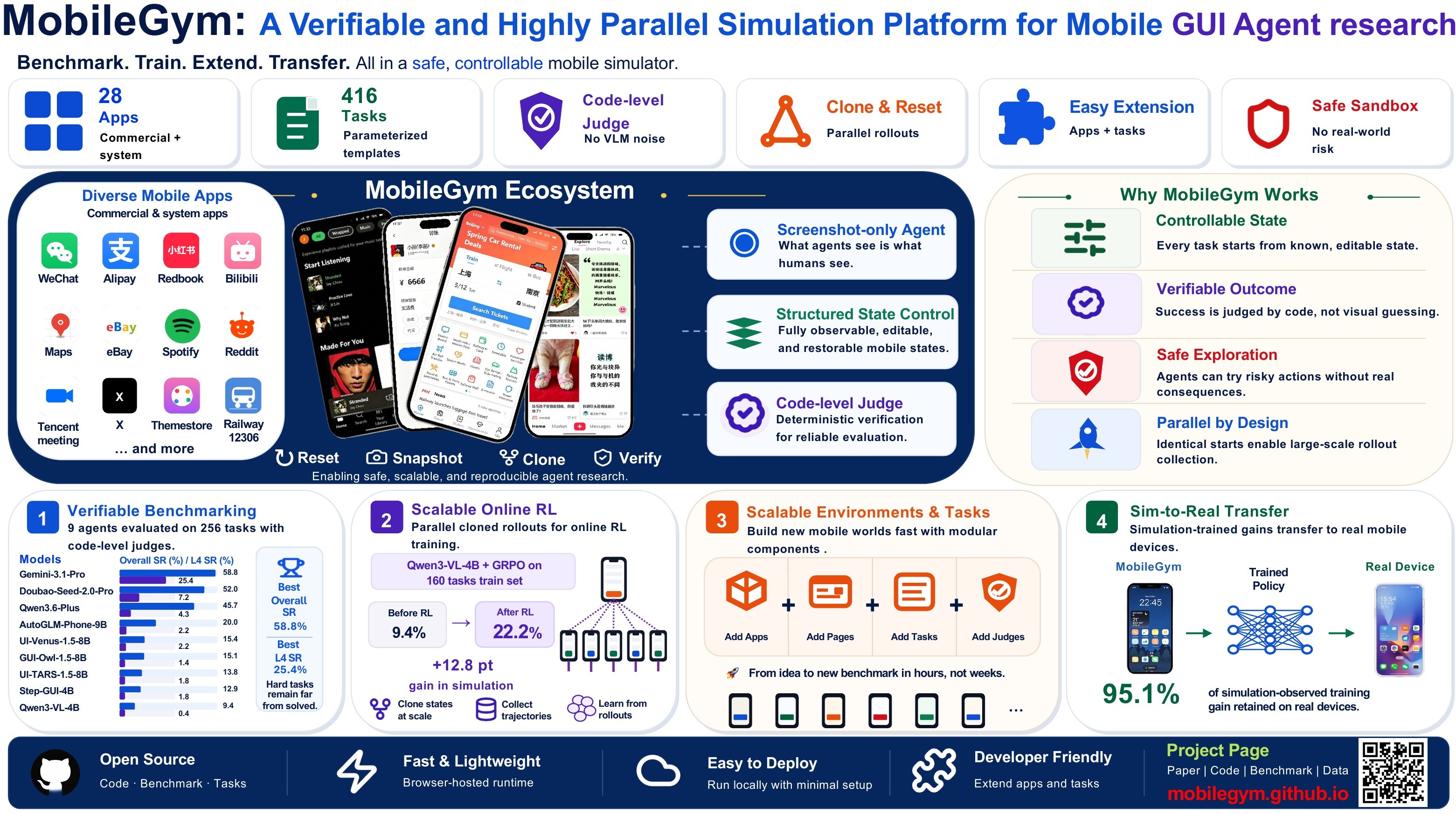
MobileGym: A Verifiable and Highly Parallel Simulation Platform for Mobile GUI A

Universal Data Workbench
A thorough tool for cleaning, validating, and converting JSON, CSV, and more.